The furniture industry is undergoing a transformation. As consumers become more environmentally conscious and lifestyles shift toward flexible, multi-functional living spaces, furniture design is evolving to meet these new demands. Here are the key trends shaping the furniture market in 2025.
1. Sustainable Materials Take Center Stage
Sustainability is no longer a niche selling point — it’s a baseline expectation. Consumers, particularly Millennials and Gen Z, actively seek furniture made from responsibly sourced materials and are willing to pay a premium for it.
Key Sustainable Materials
- FSC-certified solid wood — The gold standard for responsible timber sourcing. Furniture made from FSC-certified oak, walnut, and teak is increasingly demanded by both retailers and end consumers.
- Reclaimed wood — Salvaged from old buildings, barns, and industrial structures, reclaimed wood gives furniture a unique character while reducing demand for new timber.
- Bamboo — A rapidly renewable resource that matures in 3–5 years compared to 30+ years for hardwoods. Bamboo furniture is gaining popularity for its strength and sustainability.
- Recycled metals — Steel and aluminum from recycled sources reduce energy consumption by up to 75% compared to virgin materials.
What This Means for Manufacturers
Furniture makers who invest in FSC certification, transparent supply chains, and eco-friendly finishes will have a significant competitive advantage. Brands that can’t verify their material sourcing will increasingly lose shelf space to those who can.
2. Biophilic Design
Biophilic design — the practice of connecting interior spaces with nature — continues to gain momentum. This trend goes beyond simply adding plants; it encompasses the use of natural materials, organic forms, and nature-inspired color palettes.
Biophilic Design Elements
- Natural wood textures — Visible grain, live edges, and unstained finishes that celebrate the natural beauty of wood
- Organic curves — Furniture with rounded edges and flowing lines that mimic forms found in nature
- Earth tones — Warm browns, greens, terracotta, and clay colors that evoke natural landscapes
- Indoor-outdoor flow — Furniture designed to transition seamlessly between interior and exterior spaces
Biophilic design has been shown to reduce stress, improve cognitive function, and increase overall well-being. As remote work continues to blur the line between home and office, creating calming, nature-connected spaces has become a priority for many consumers.
3. Modular and Multi-Functional Furniture
As urban living spaces shrink and lifestyles become more flexible, modular furniture is experiencing a surge in demand. Consumers want pieces that can adapt to different uses, rooms, and life stages.
Popular Modular Designs
- Sectional sofas with reconfigurable sections that can be rearranged as needed
- Extendable dining tables that seat 4 for daily use and expand to seat 10 for entertaining
- Storage beds with built-in drawers that eliminate the need for a separate dresser
- Stackable chairs that can be stored compactly when not in use
- Nesting tables that provide multiple surface areas in a minimal footprint
The modular trend aligns with the broader movement toward minimalism and intentional living — owning fewer, more versatile pieces rather than accumulating furniture that serves a single purpose.
4. Warm Minimalism
Minimalism is evolving. The cold, stark minimalism of the 2010s is giving way to a warmer, more inviting aesthetic that保留了 simplicity while adding texture, warmth, and personality.
Characteristics of Warm Minimalism
- Natural materials over synthetic — Solid wood, linen, and stone instead of plastic and laminate
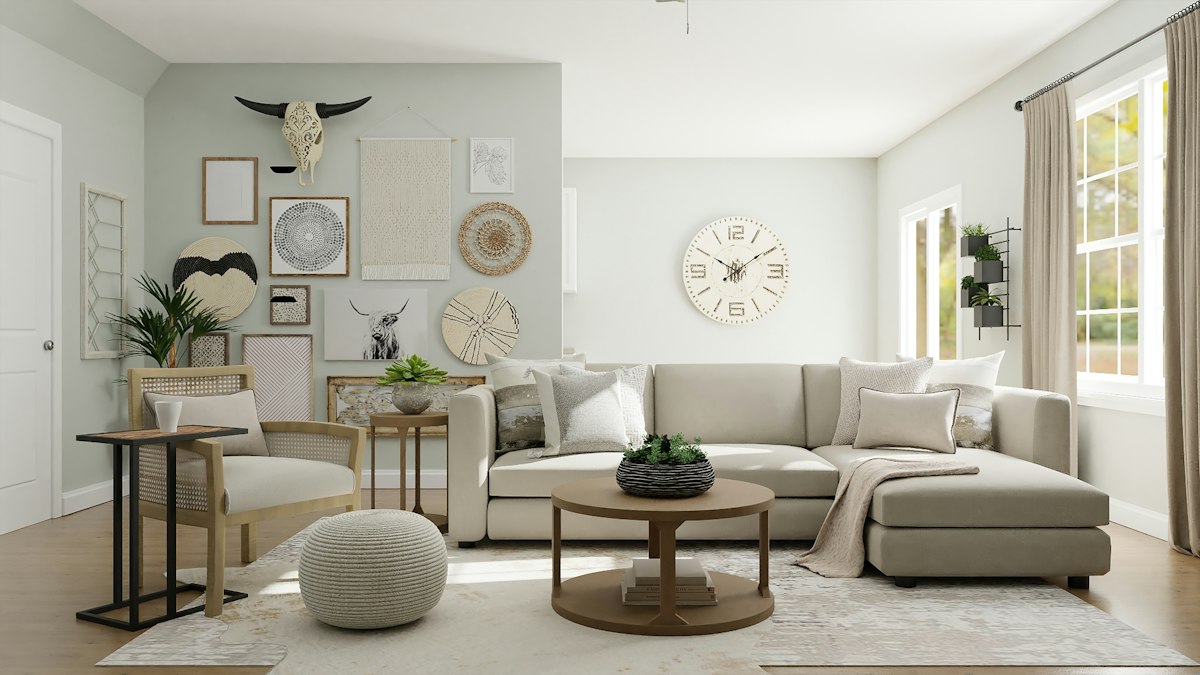
- Warm neutral palettes — Cream, beige, taupe, and warm white instead of stark white and gray
- Texture over decoration — Tactile surfaces like woven rattan, boucle fabric, and hand-rubbed wood finishes add interest without clutter
- Quality over quantity — Fewer, better-made pieces that last decades rather than years
This trend is particularly appealing to consumers who are tired of fast furniture and want to invest in pieces that will age gracefully and tell a story over time.
5. Curved and Sculptural Furniture
Sharp angles are out; curves are in. Furniture with rounded silhouettes, arched forms, and sculptural shapes is dominating design showrooms and social media feeds alike.
The Curve Trend in Practice
- Curved sofas with crescent-shaped backs that create intimate conversation areas
- Round dining tables that facilitate better conversation and flow than rectangular tables
- Bouclé accent chairs with soft, cloud-like silhouettes
- Headboards with arches that add architectural interest to bedrooms
- Round coffee tables with organic, imperfect edges
Curved furniture softens the hard lines of modern architecture and creates a more welcoming, comfortable atmosphere. It also photographs beautifully — an important consideration in the Instagram and Pinterest era.
6. Vintage and Heritage Revival
Mid-century modern has been popular for years, but 2025 sees a broader revival of vintage and heritage styles. Consumers are drawn to furniture that feels timeless and grounded in craft traditions.
Revival Styles
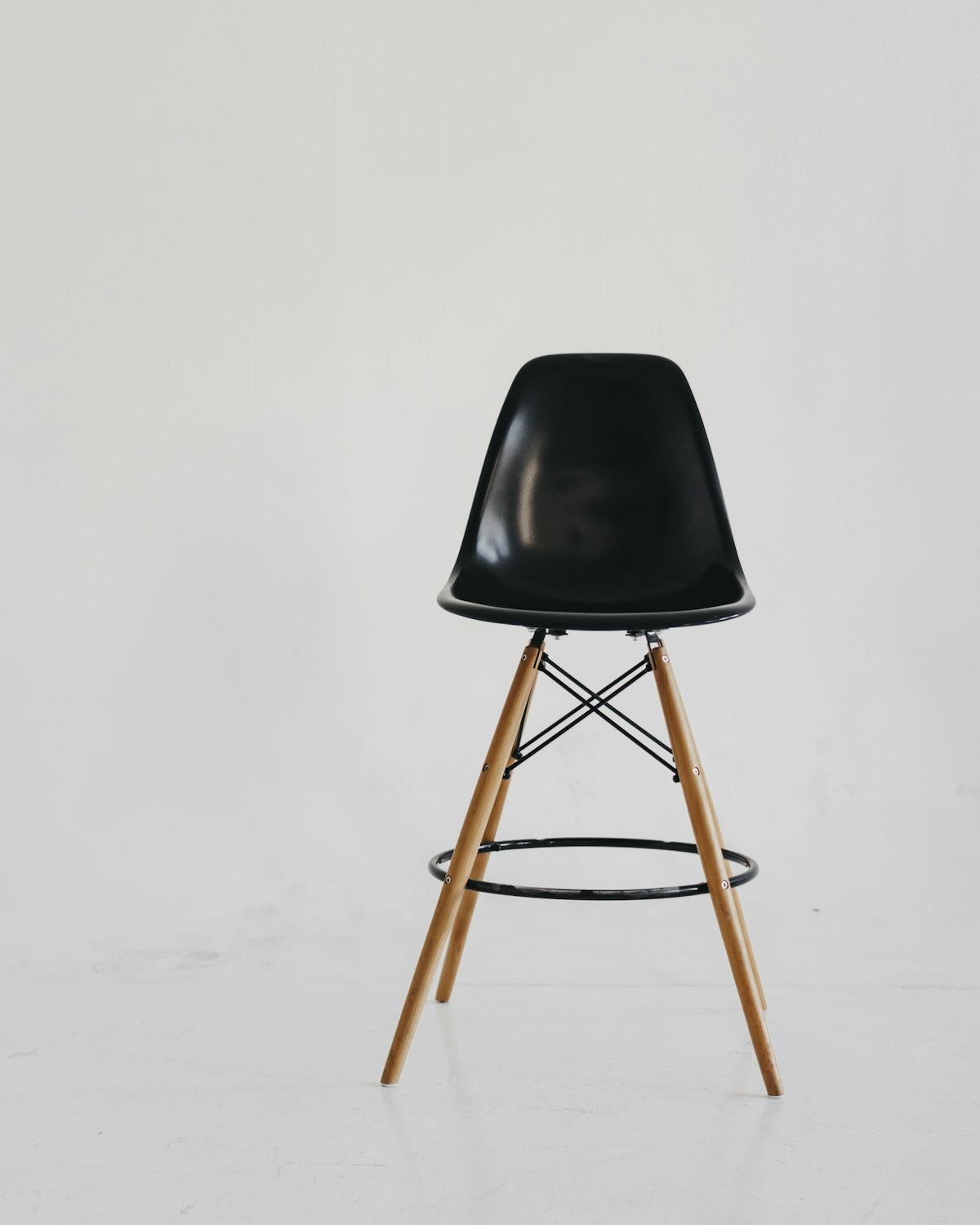
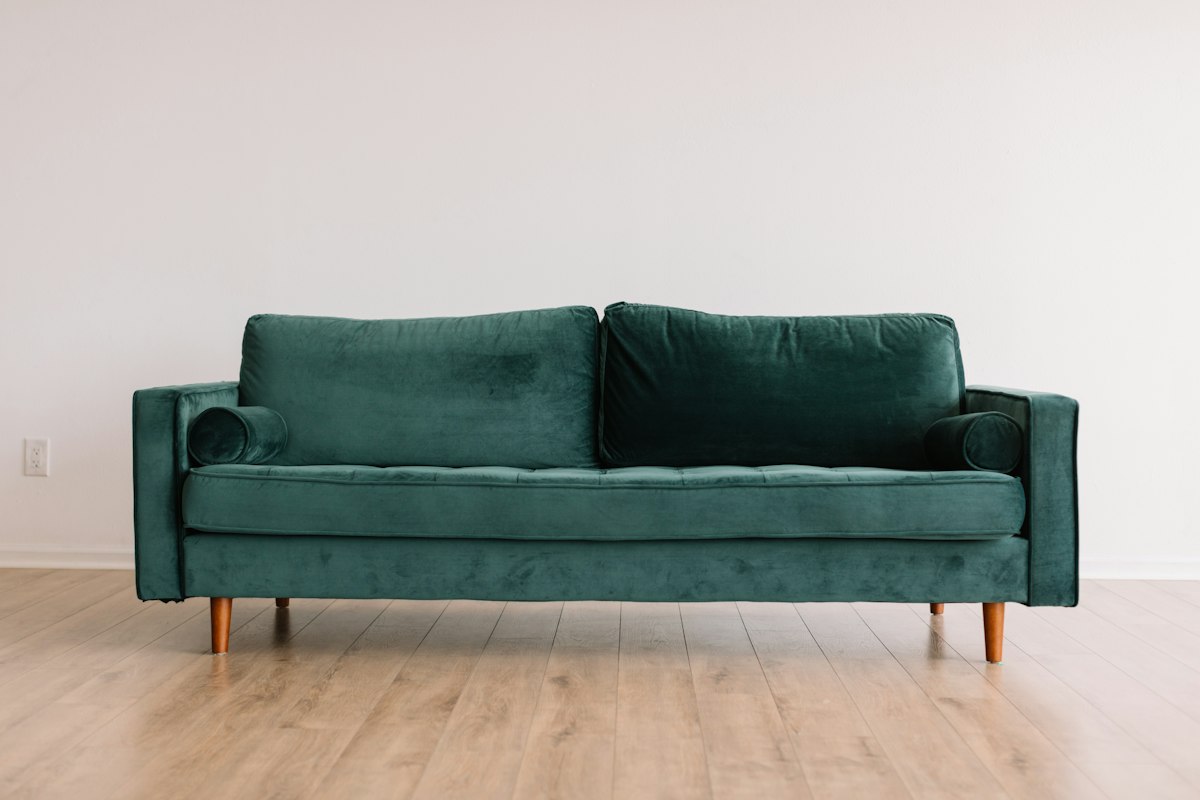
- Mid-century modern — Clean lines, tapered legs, and organic forms remain perennially popular
- Art Deco — Geometric patterns, bold materials, and luxurious finishes are making a comeback
- Rustic farmhouse — Reclaimed wood, distressed finishes, and functional design appeal to those seeking a cozy aesthetic
- Japandi — The fusion of Japanese and Scandinavian design principles, emphasizing simplicity, natural materials, and craftsmanship
Conclusion
The furniture trends of 2025 reflect broader cultural shifts: a desire for sustainability, connection to nature, flexibility, and authenticity. For manufacturers and retailers, success lies in anticipating these trends while staying true to craft and quality.
At Jimeijia Furniture, we’ve been ahead of these trends — our FSC-certified solid wood construction, natural oil finishes, and timeless designs align perfectly with warm minimalism, biophilic design, and the heritage revival. We believe that well-made furniture from sustainable materials is not just a trend, but the future of the industry.